

In the world of commercial interior design, we spend months obsessing over the perfect ergonomic chair, the acoustics of the ceiling, and the finish of the work surfaces. But the moment the IT team moves in, a “Day 1” masterpiece can quickly turn into a “Day 2” disaster: Cable Spaghetti.
To the untrained eye, a mess of power and data cables under a desk is just an eyesore. But to a Facility Manager or a Business Owner, it represents a hidden layer of operational risk.
At Adapt, we believe a workstation isn’t truly finished until the technology is controlled. Here is why professional cable management is no longer optional—it’s a strategic necessity.
1. The Safety Gap: Eliminating Trip Hazards
The leading cause of workplace injury isn’t heavy lifting—it’s trips and falls. Exposed cables trailing across the floor or hanging in the “foot zone” under a desk are a primary liability.
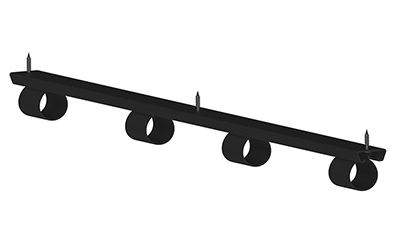
Standardizing your cable management isn’t just about “cleaning up”; it’s about risk mitigation. Solutions like the Cable Track or Cable Channel lift these hazards off the floor and secure them firmly to the desk frame, protecting both your employees and your company from avoidable accidents.
2. Hardware Protection in the Age of Sit-Stand Desks
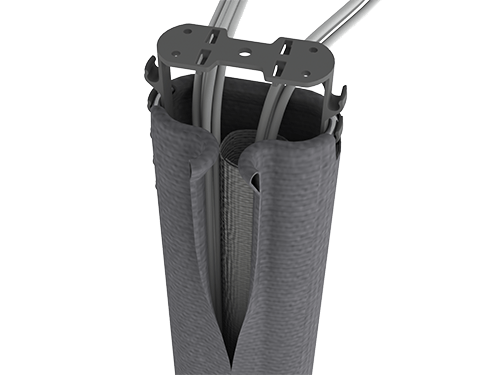
The rise of height-adjustable desks has introduced a new technical challenge: cable tension. If your cables are too short, or if they aren’t routed correctly, hitting the “up” button on a desk can result in ripped ports, frayed wires, or even monitors being pulled off their mounts. The Cable Spine was engineered specifically to solve this. Its segmented design protects vertical cable paths from floor to desk, ensuring that your data and power lines move as fluidly as your workforce.

3. IT Efficiency: Slashing Maintenance Time
Ask any IT professional about their biggest frustration during a “move, add, or change” (MAC) project, and they will point to the tangled mess under the desk.
When cables are managed in a Cable Net or a dedicated Cable Channel, IT teams can access power strips and data ports instantly. There’s no need to “un-weave” a web of cords just to swap out a laptop dock. This reduces downtime and allows your technical team to focus on high-value tasks rather than cable untangling.
4. Brand Aesthetics: Protecting the Investment
Your office environment is a physical manifestation of your brand. When clients or top-tier talent walk through your space, the “behind the scenes” details matter.
A clean desk top means nothing if the view from the side reveals a chaotic mess of black and white cords. By utilizing a suite of integrated cable management tools, you ensure that your “Day 1” aesthetic remains intact for years to come.
Which Solution Fits Your Space?
There is no “one size fits all” for cable management. Effective design requires a 360-degree approach:
Vertical Routing: Use the Cable Spine for height-adjustable desks.
Horizontal Containment: Use the Cable Track or Cable Channel for rigid paths.
Tech Management: Use the Cable Net to hide bulky power bricks and excess cord length.
Move From Chaos to Control
Don’t wait for a trip hazard or a hardware failure to address the mess under your desks. Investing in professional cable management is an investment in your people, your technology, and your brand.
Ready to clean up your workstations? [Explore Our Full Suite of Cable Management Solutions]